Signs Your Business Has Outgrown Spreadsheets for Tracking Leads
Most small businesses start lead tracking in a spreadsheet, and for a while, it works fine. The trouble is spreadsheets do not tell you when they have stopped working. They just quietly get less reliable until a lead falls through and someone asks what happened.
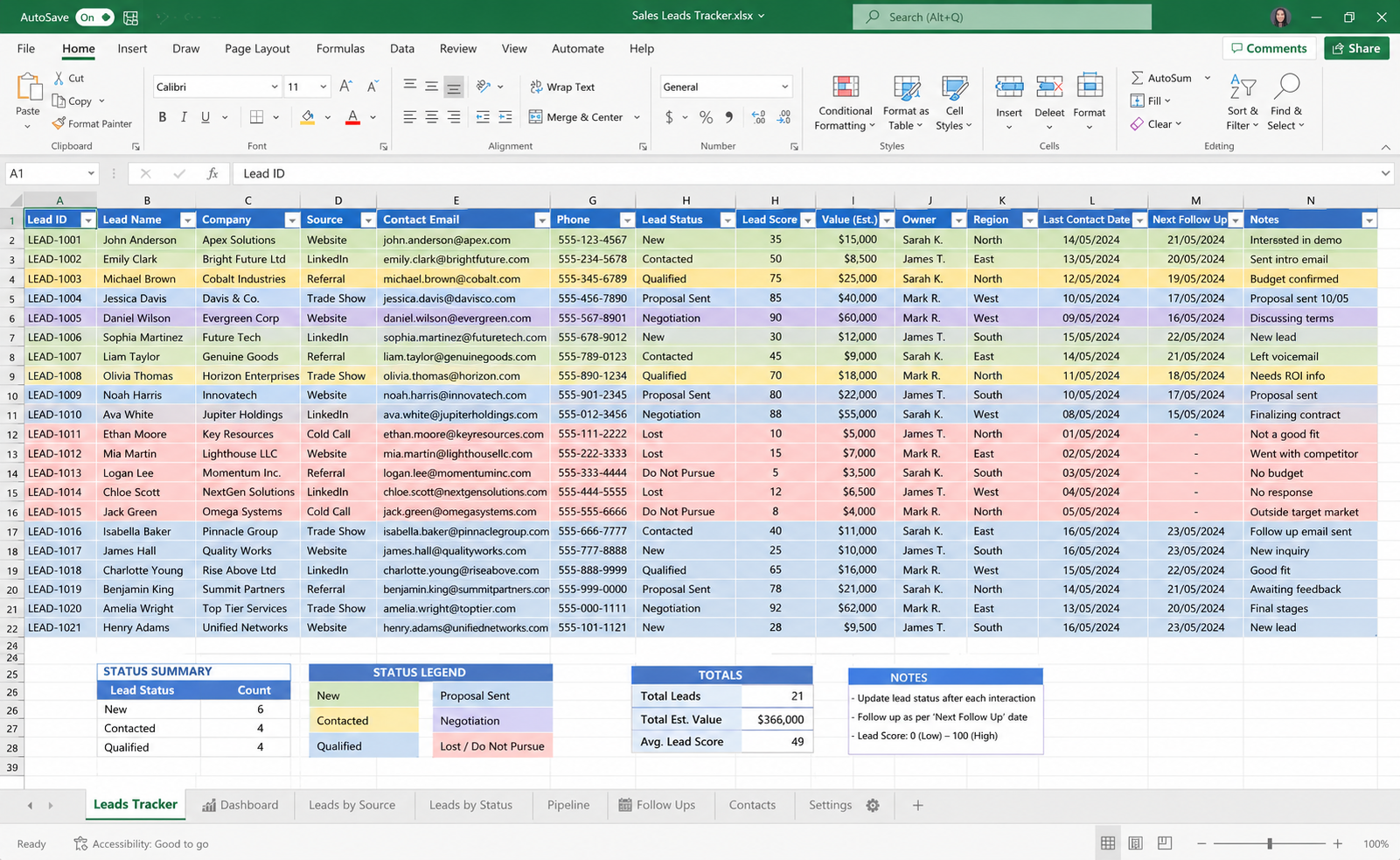
If you are reading this because that scenario sounds familiar, you are probably closer to needing a proper system than you think. Here is how to tell for certain, and what actually changes once you make the move.
The five signs
None of these on their own mean much. But if two or more feel true right now, spreadsheets are likely costing you more than they are saving.
- 1 A lead has fallen through the cracks A follow-up got missed, or two people followed up on the same lead without knowing it, and the business only found out after losing the sale.
- 2 More than one person touches the same lead list Once two or more people update the same sheet, version conflicts and overwritten notes become a matter of when, not if.
- 3 "Where are we with that client" is a regular question If this comes up often on WhatsApp or in the office, it usually means there is no single place anyone can check without asking a person first.
- 4 The sheet needs its own instructions Colour codes, extra tabs, and filters were added to keep track of what is hot right now. Every workaround like this is a sign the format has been stretched past what it was built for.
- 5 New team members take time to "get" the system If understanding how leads are tracked depends on someone explaining it in person, the knowledge lives with people, not in the business.
Why spreadsheets break down at this stage
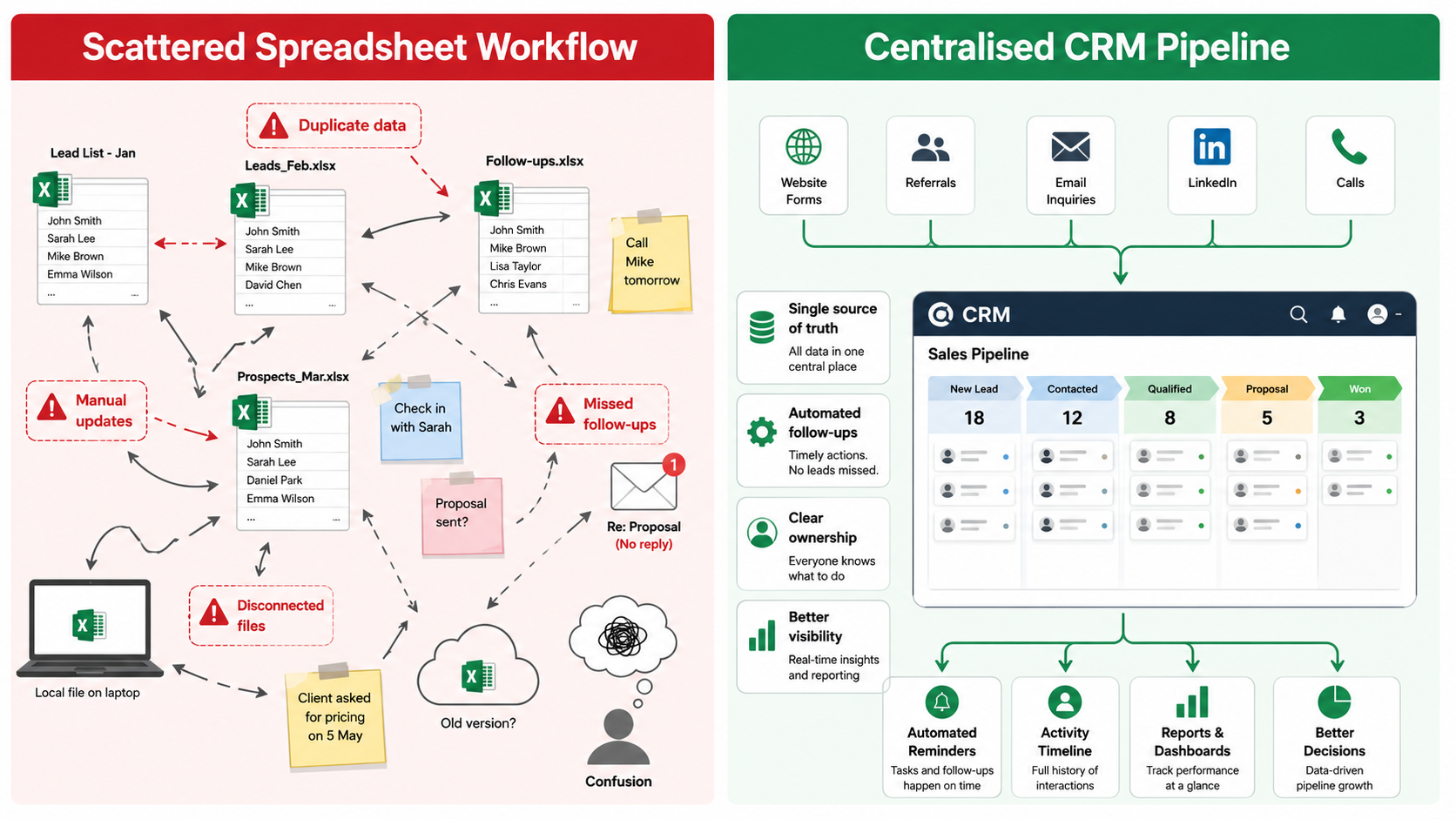
It is not that spreadsheets are a bad tool. It is that they were never built to do this job past a certain point. A spreadsheet has no way to remind anyone to follow up. It has no single version of the truth once more than one person edits it. It keeps no record of what was said to a client and when. And it does not scale cleanly past one or two regular users, no matter how well it is organised.
These are not failures of discipline. They are structural limits of the format itself, and they show up in every growing business at roughly the same point: somewhere between "a handful of leads one person manages" and "a pipeline more than one person is responsible for."
A spreadsheet can hold information. It cannot manage a process. That difference is where most missed follow-ups come from.
What graduating actually looks like
This does not mean jumping to a large, complicated platform built for a much bigger sales team. For most SMEs, "graduating" means three things: one centralised place to see every lead, automatic reminders so follow-ups do not depend on memory, and a clear view of the whole pipeline at a glance. That is genuinely most of what a small business needs, and it is a much smaller step than it sounds.
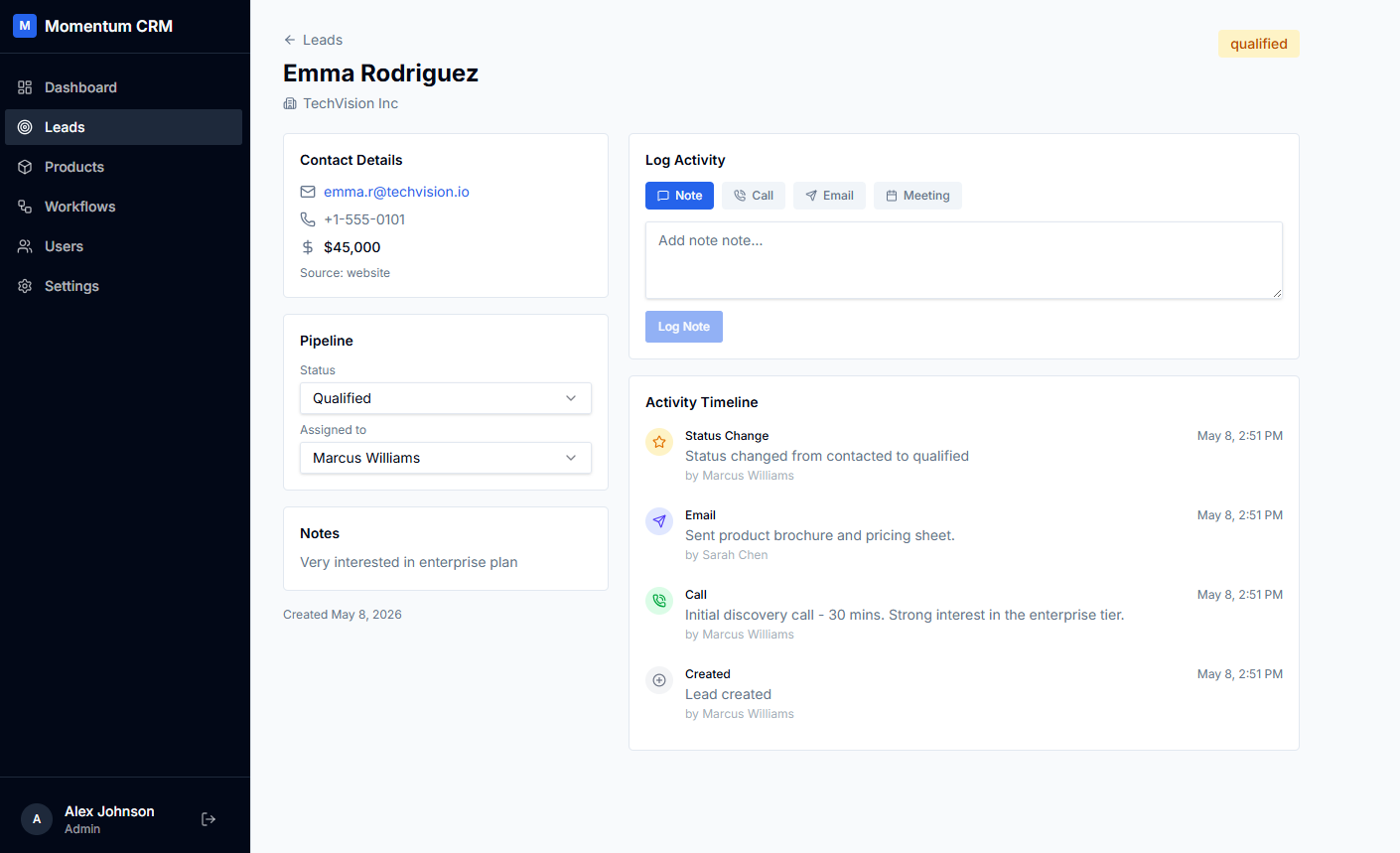
If two or more of these signs sound familiar, it may be time to look at a simple CRM setup built for exactly this stage of growth, not an enterprise system you will only use a fraction of.
See how a simple CRM setup works